Data are Made, Not Found
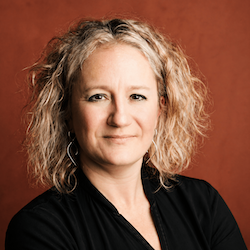
Dr. danah boyd, Cornell University
In the United States, the census is democracy’s data. These data make politics - and politics make these data. “Data Are Made, Not Found” tells the story of what it took for the US Census Bureau to make its canonical data in 2020, amidst a pandemic, natural disasters, and political pressure. The making of these data is more than meets the eye. After all, what do government officials do when people refuse to participate or when workers submit fabricated data? And how does the government balance the competing goals of publishing as much data as possible without inadvertently breaching the confidentiality of the public? To complicate matters, government officials must navigate “Jenga politics” as both well-intended and malevolent actors try to achieve their goals by weakening the administrative state and putting pressure on a wobbly structure. Civil servants do their best to keep the tower from collapsing, but the precarity is real. In this talk, danah boyd will discuss what it takes to make democracy’s data - and what those who care about data and democracy should understand about the complexities of making high-stakes data.
danah boyd is the Geri Gay Professor of Communication at Cornell University. Dr. boyd’s research focuses on the intersection of technology and society. Her latest book “Data are Made, Not Found: A Story of Politics, Power, and the Civil Servants Who Saved the US Census” is an ethnography of the US Census Bureau, Jenga politics, and the struggle to make democracy’s data in 2020. Her first monograph “It’s Complicated: The Social Lives of Networked Teens” examines young people’s relationship to social media. Dr. boyd founded Data & Society, where she currently serves as an advisor. She is currently a fellow of AAAS, a 2026 Sloan Research Fellow, a non-residential fellow at the Center for Democracy and Technology, a trustee of the Computer History Museum, a member of the Council on Foreign Relations, and on the advisory boards of Electronic Privacy Information Center. She was also a founding director of Crisis Text Line, a mental health organization that serves people in crisis.